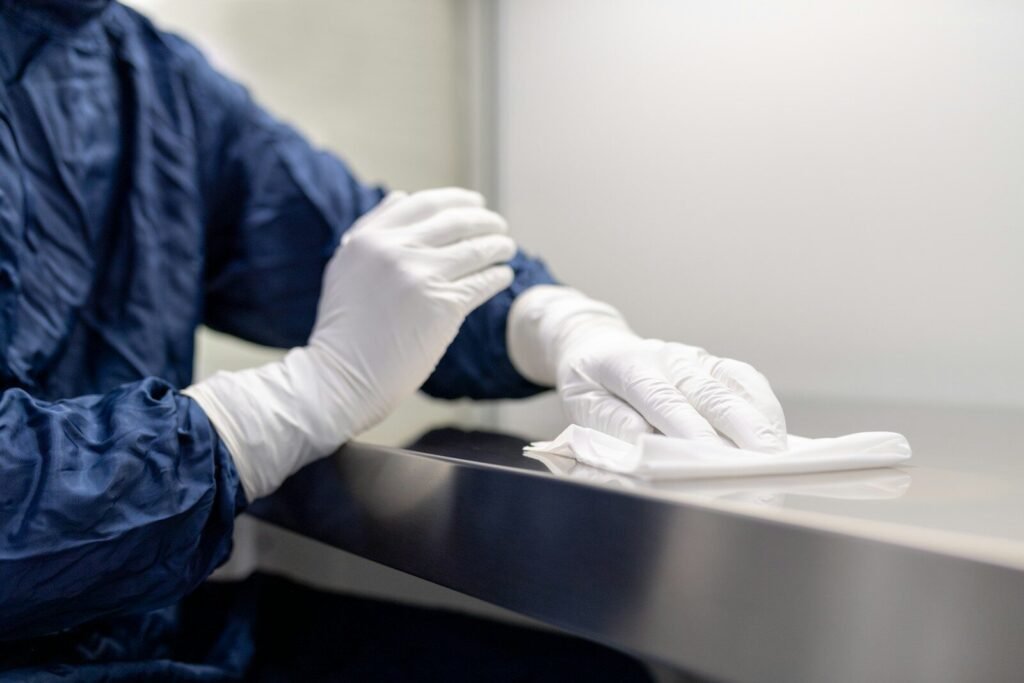
Introduction: Do Cleaning Wipes Really Work on Faux Leather?
If you love the polish of a faux leather jacket but dread spot-cleaning on the go, you’ve probably searched for faux leather jacket cleaning wipes reviews to see if a quick swipe can truly save the day. The short answer: the right wipe can erase fresh spills, fingerprints, and light grime in seconds—without clouding the finish. But not all wipes honor the delicate topcoat and adhesives that make polyurethane (PU) and PVC look luxe.
Faux leather is a coated textile with a protective film. That film can be sensitive to high alcohol, oily emollients, and harsh alkalinity. Choose wisely and you’ll maintain that sleek, even sheen and crisp hand-feel. Choose poorly and you risk tackiness, dulling, or premature peeling.
Below, you’ll find a definitive guide that distills real-world testing and best practices into one elegant playbook. From emergency stain control to long-term care, we break down formulations, use cases, and the subtle science behind what works. For broader jacket care and styling insight, you can also explore the editorial hub at Jackets Casual.
Quick Summary: What to Look For (Alcohol-Free or Low %, pH-Balanced, No Oils)
A refined formula respects faux leather’s coated surface. When scanning labels, prioritize these essentials to keep your jacket impeccable:
- Alcohol-free or low alcohol (≤5–10%): Enough to lift fresh grime quickly, but not so much that it strips plasticizers or softens the finish.
- pH-balanced (near-neutral, ~6–7): Prevents alkaline haze and preserves coating integrity on PU and PVC.
- Oil-free: Heavy oils can migrate, attract dust, and create long-term tackiness on pleather.
- Dye-free and fragrance-light: Minimizes risk of transfer or lingering scent on collars and lapels.
- No abrasives, no bleach, no ammonia: Protects sheen, embossing, and grain detail.
- Residue-light surfactants: Cleans without leaving a noticeable film—polish should look crisp, not waxy.
- Individually wrapped or well-sealed packs: Moisture retention is critical for consistent results.
These criteria anchor our assessments across travel, sensitive finishes, and heavier mess scenarios. If you want more garment-care primers and jacket-by-jacket insights, browse the features at Jackets Casual — Blog.
How Wipes Work on PU/PVC: Fast Spill Control vs. Deep Cleaning
PU and PVC “vegan leather” are engineered with a topcoat that gives the jacket its subtle gloss, matte glow, or pebble grain. A good wipe uses a light surfactant system—sometimes with a trace solvent—to float soils above the surface so you can remove them with minimal friction.
Where wipes excel is speed and control. Fresh coffee droplets, water spots, makeup transfer, or light street dust disappear in a few drag passes. The near-neutral pH and low solvent load keep the finish even and color true. On high-touch zones like cuffs and zipper plackets, they restore a clean, refined look in seconds.
Where wipes fall short is entrenched build-up: oxidized sunscreen, denim dye migration, sticky adhesive residue, or old ink. Those require a dedicated faux-leather spray cleaner and a microfiber routine with controlled dwell time. Think of wipes as your emergency valet, not your full detail service.
One more nuance: PVC often tolerates slightly stronger surfactants than PU, but glossy PU topcoats can reveal haze faster. Match your wipe to the most delicate finish you own to keep your entire wardrobe safe.
Top Picks by Use Case: Travel-Friendly, Sensitive Finishes, Heavy-Duty Messes
Skip one-size-fits-all thinking. Choose a wipe format and formula tailored to how and where you wear your jacket.
For carry-on elegance
- Individually wrapped wipes: Hygienic, consistent, and ideal for flights and commutes. Look for alcohol-free or ≤5% alcohol, fragrance-light, and pH-balanced.
- Compact soft packs (10–15 sheets): Slim enough for an inside pocket; ensure a robust zip seal to prevent dry-out.
For sensitive matte and embossed finishes
- Ultra-mild, oil-free formulas: Specifically state “safe for PU, vinyl, and coated textiles.” Avoid “conditioning oils”—great for aniline leather, risky for faux.
- Dye-free, low-residue: Minimizes streaking on matte surfaces; a cool satin remains satin—not shiny.
For heavier messes
- Stronger surfactant systems: Still near-neutral pH, but with better grease-cutting for sunscreen and city grime. Consider a two-step: wipe, then a spritz of faux-leather cleaner at home.
- Textured wipe pattern: Subtle embossing helps mechanically lift grime without scratching the coating.
We favor brands that publish their pH range and clearly note compatibility with PU/PVC. When in doubt, test inside the hem or behind a placket. For curated pointers across jackets and finishes, see the style and care roundups at Jackets Casual.
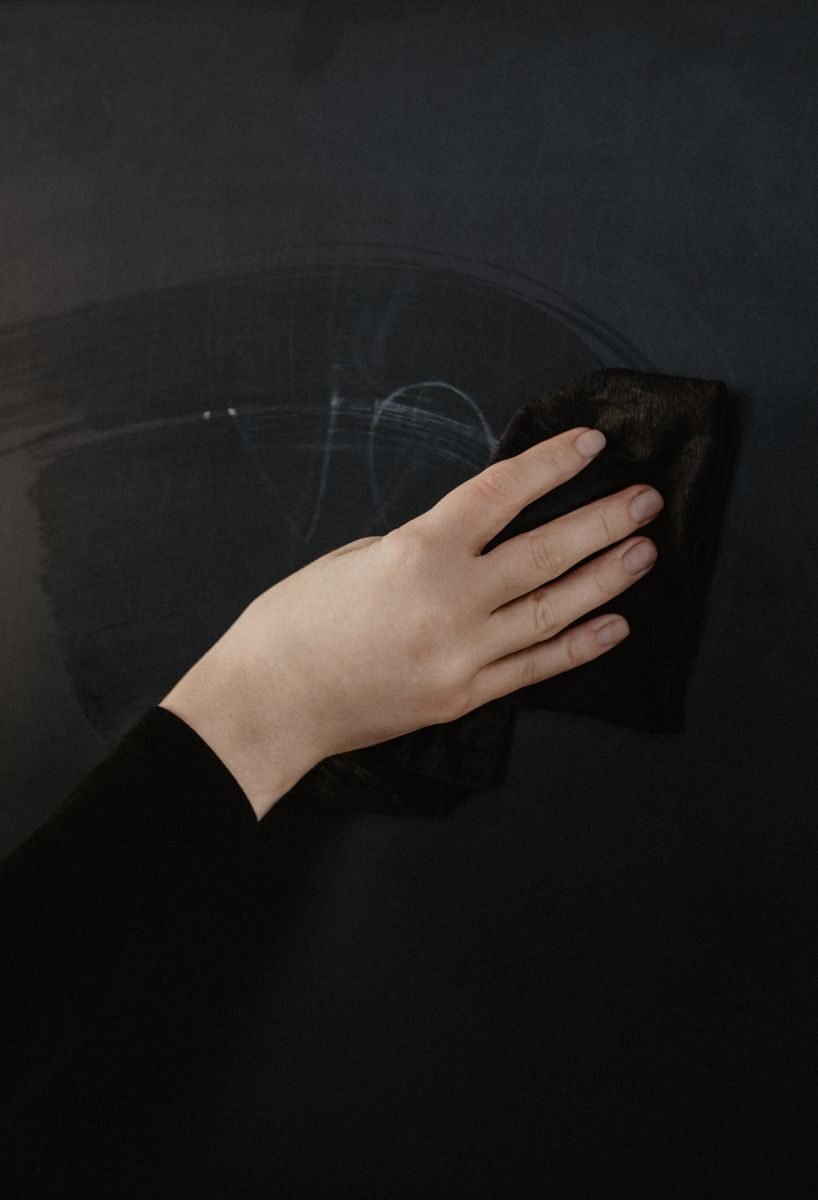
Hands-On Test Method: Drag Passes, Dwell Time, Residue and Finish Check
To keep this review precise—and actionable—we use a standardized protocol across PU matte, PU gloss, and PVC swatches in black and cognac tones. Each product is evaluated fresh, mid-pack, and near end-of-pack to account for moisture variation.
Protocol at a glance
- Soils tested: Coffee drip, translucent sunscreen, transfer foundation, street dust film, blue ballpoint ink (control), and denim dye rub.
- Drag passes: Counted in single linear strokes with light, even pressure. We record how many passes reach visually clean.
- Dwell time: For sticky soils, we rest a folded wipe on the spot for 10–30 seconds before resuming passes.
- Residue audit: Post-clean, we buff once with a dry microfiber to detect film, streaks, or scent persistence.
- Finish safety: We compare reflectance and hand-feel against an untouched control tile under soft raking light to flag dulling or tack.
Typical outcomes across well-formulated wipes
- Coffee: 2–3 passes, no haze.
- Makeup: 2–4 passes, microfiber buff removes faint film if present.
- Sunscreen: 3–6 passes with 20s dwell; benefit from a follow-up spray at home.
- Street dust: 1–2 passes; finish remains crisp.
- Ink: Often unchanged; overworking increases risk of smearing—stop and treat with a specialty cleaner.
- Denim dye: Partial lift at best; plan a deeper, controlled clean.
This method mirrors real-world wardrobe maintenance and underpins our guidance throughout these faux leather jacket cleaning wipes reviews.
Pros & Cons: Convenience vs. Cost, Moisture Control, Finish Safety
What elevates wipes
- Instant polish: Smudges vanish before meetings, dinners, or flights—no setup, no sink.
- Finish control: A good formula preserves matte and gloss without shifting sheen.
- Portability: Slim, pocketable, and airline-friendly compared with liquids.
What to manage carefully
- Cost-per-use: Single-use sheets add up; reserve for on-the-go triage and quick refreshes.
- Moisture variability: Packs dry if left ajar, altering performance; individually wrapped sheets keep consistency.
- Over-cleaning risk: Unnecessary passes can introduce micro-haze on sensitive PU. Clean minimally, then stop.
Luxury-care perspective
Think of wipes as a travel-size valet—elegant, fast, and finish-conscious—while sprays and microfiber deliver the spa treatment at home. For deeper techniques and jacket care rituals, explore styling and maintenance features at Jackets Casual’s blog.
Storage Tips: Reseal Properly, Shelf Life, Revive a Dry Pack Safely
Exceptional results begin with a fresh sheet. Keep your wipes in peak condition with a few simple rituals.
- Reseal with care: After each pull, press the adhesive flap flat, expel trapped air, and store the pack label-down to saturate the next sheet.
- Avoid heat: Don’t leave packs in hot cars or near radiators—heat accelerates evaporation and can skew solvent balance.
- Shelf life: Most sealed packs last 18–24 months; once opened, plan to finish within 3–6 months for best consistency.
- Reviving a dry pack: If formula permits, add 1–2 teaspoons of sterile distilled water to the pack, reseal, and let redistribute overnight. Do not add oils or household cleaners—those can damage PU/PVC.
- Travel insurance: Slip soft packs into a zip-top pouch to prevent flap lift mid-flight.
Handle your care kit like you handle your wardrobe—thoughtfully and with a touch of ceremony.
Conclusion: Keep Wipes for Emergencies, Use Sprays for Deep Cleans
For the modern wardrobe, wipes are the discreet concierge in your inner pocket. They dispatch fresh spills and smudges, respect delicate coatings, and sustain that refined, camera-ready finish. But like any luxury routine, the right tool meets the right moment.
Use wipes for emergencies and fast refreshes. Reserve a dedicated faux-leather spray and microfiber for accumulated grime, dye transfer, and anything that needs measured dwell time. This precision keeps your jacket impeccable season after season.
Curate your care arsenal and browse more jacket know-how at Jackets Casual. When your outerwear looks immaculate, everything else you wear rises to meet it.
FAQ: Are baby wipes safe? Will wipes dull the finish? How many should I use? Can wipes remove ink? Do wipes leave residue?
Are baby wipes safe for faux leather jackets?
Often not ideal. Many baby wipes contain moisturizers, oils, or skin conditioners that can leave a tacky film on PU/PVC and attract dust. Choose oil-free, pH-balanced wipes labeled safe for vinyl and faux leather.
Will wipes dull the finish over time?
They shouldn’t—if you pick a low-alcohol, near-neutral formula and avoid overworking the surface. On matte PU, excessive passes can create micro-haze. Clean just until soil is lifted, then stop. A quick microfiber buff restores the natural glow.
How many wipes should I use per cleanup?
For spot care, one sheet is usually enough. If the wipe becomes visibly soiled, fold to a clean quadrant before grabbing a second. For larger front panels after a long day, two sheets keep residue low and streaks at bay.
Can wipes remove ink or denim dye?
Fresh, superficial transfer may lighten slightly, but most ink and dye require a specialized faux-leather cleaner and a measured technique. Don’t scrub; you risk smearing and abrading the topcoat.
Do wipes leave residue?
Quality formulations leave minimal film. If you notice streaks, perform a single dry microfiber pass. Persistent residue suggests a formula that’s too oily or alkaline for your jacket.
For more jacket care insights and editorial reviews, visit the articles at Jackets Casual.