Introduction: The Right Ski Shell for Your Conditions and Style
When winter turns on its magic, the right shell turns every run into a private-first-class experience. If you want to compare women’s ski jackets—GORE-TEX vs softshell—the choice comes down to how you ski, where you ski, and the level of protection and comfort you demand. Think of it as tailoring for the mountain: precise performance, exquisite materials, and a perfect fit for your climate and cadence.
Below, we decode weatherproofing, breathability, layering, and fit—so you can select a jacket that feels as refined as it performs, from stormy lift laps to bluebird spring tours.
Quick Summary: GORE-TEX for maximum weatherproofing; softshell for stretch, breathability, and comfort in drier conditions
- GORE-TEX (Hardshell): Elite waterproofing and windproofing, fully seam-taped protection, reliable in storms and on deep resort days. Typically 2L/3L builds for robust defense.
- Softshell: Luxuriously breathable, stretchy, and quiet. Best in cold-and-dry or variable conditions, high-output touring, and spring skiing where comfort and mobility reign.
- Who should choose what? If you ski wet coastal storms or sit on lifts in wind, choose GORE-TEX. If you earn your turns or ride mostly in drier climates and value movement and comfort, choose softshell.
Waterproofing & Breathability: Membranes, hydrostatic head, windproofing, and real-world performance
Waterproofing (Hydrostatic Head): Premium GORE-TEX hardshells often reach ~20,000–28,000 mm HH. This resists prolonged, wind-driven snow and sleet. Softshells vary: many are water-resistant (e.g., 1,000–5,000 mm) and rely on a tight weave plus DWR vs. a fully waterproof membrane.
Breathability (RET/MVTR): GORE-TEX membranes manage sweat well for a waterproof fabric (e.g., RET < 13 or MVTR 15,000–28,000 g/m²/24h on top builds). Softshells, with knit interiors and air-permeable weaves, often feel cooler and drier during climbs and spring laps.
Windproofing: GORE-TEX hardshells are effectively 0 CFM (no air permeability), locking out gusts on chairlifts. Many softshells allow slight airflow (e.g., 5–20 CFM), which boosts comfort during exertion but is less protective in blizzard conditions.
- Construction details matter: 3L GORE-TEX with a tricot or microgrid backer resists wet-out and feels lighter; fully taped seams prevent seepage.
- DWR & face fabric: When the face fabric wets out, breathability drops. High-end DWR and burly face fabrics delay saturation.
- Vents: Pit zips and mesh-lined chest vents amplify moisture dump on both jacket types.
Warmth & Layering Strategy: Insulated vs non-insulated shells, base/mid-layer combos for each jacket type
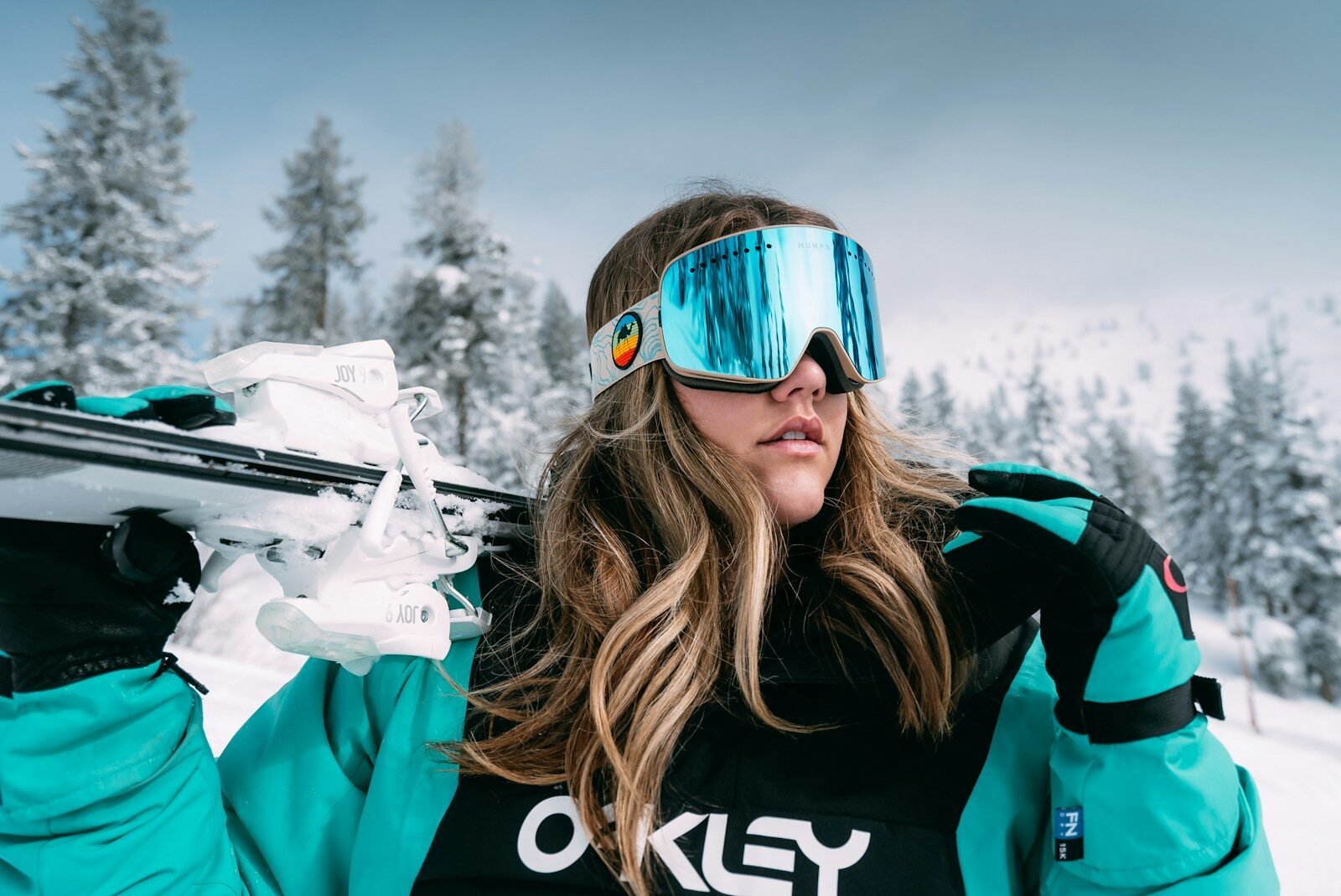
Neither GORE-TEX nor softshell automatically means warmth—insulation is separate. Non-insulated shells are most versatile. Insulated styles add plush comfort for cold lift days but reduce adaptability.
- GORE-TEX, non-insulated: Pair a midweight merino base with a breathable synthetic puffy (40–60 g) or fleece grid midlayer. Add a lightweight down sweater on sub-zero mornings.
- GORE-TEX, lightly insulated (40–80 g): Ideal for resort skiers who run cold. Underlayer with a thin merino or wicking synthetic to avoid overheating.
- Softshell, non-insulated: Lean on a warm base (merino 200–250) and an active fleece or breathable synthetic mid (octa/alpha-style). The shell’s airflow keeps you dry while skinning.
- Softshell, bonded fleece: Plush against skin and draft-resistant; perfect for crisp, dry days. Use a lighter base to avoid clamminess.
Rule of elegance: Build warmth with layers you can fine-tune; let the shell set weather protection and airflow.
Mobility, Weight, and Noise: Stretch comfort and quiet fabrics vs rugged protection
Softshells excel at natural stretch and a whisper-quiet glide, making poling and technical moves feel fluid. They often come in lighter, more supple knits that drape elegantly.
GORE-TEX hardshells prioritize structure and defense. Modern 3L textiles have improved drape, yet remain more protective than softshells. Expect slightly more rustle and a touch more weight—worth it when the weather turns severe.
- Articulation: Look for pre-shaped elbows, gusseted underarms, and drop hems for unencumbered motion.
- Denier & face fabric: Higher-denier hardshells withstand abrasion from gates, trees, and packs; softshells feel silkier but can scuff sooner.
Best Use-Cases: Resort storm days, backcountry tours, spring skiing, and high-output laps
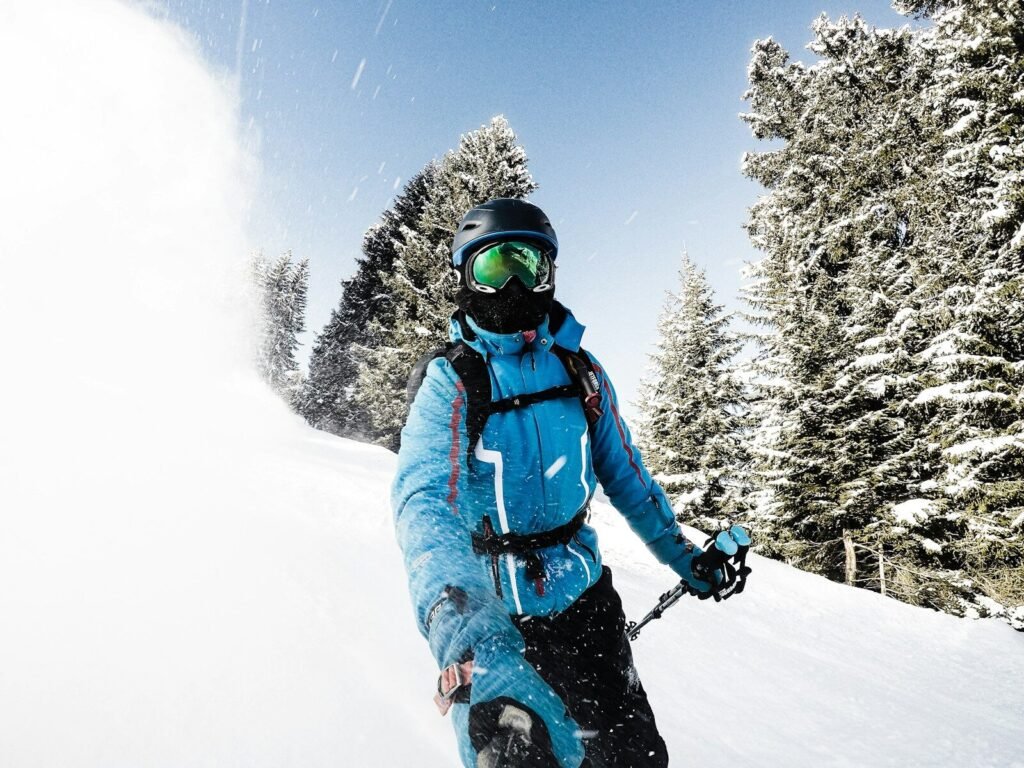
- Resort storm days: Choose GORE-TEX. Fully taped seams, helmet-compatible hood, and a powder skirt keep you dry through wind holds and blower refills.
- Backcountry tours: Softshell for breathability on the ascent; consider a minimalist hardshell in your pack for summit weather insurance.
- Spring skiing: Softshell shines—stretchy, airy, and comfortable when the sun is high and temps swing.
- High-output laps: Softshell or an air-permeable hybrid with big pit zips. If you run cold on transitions, a light hardshell with vents is a refined compromise.
Durability, Cost, and Care: Long-term value and how to maintain performance
Durability: 3L GORE-TEX typically outlasts softshells in harsh, wet, and abrasive use. Softshells are resilient for their weight, but knits can pill or abrade sooner under pack straps or tree brushes.
Cost: GORE-TEX commands a premium for top-tier weather security. Softshells can be more attainable while delivering upscale comfort.
- Care essentials: Wash with technical detergent to remove oils that block breathability.
- Restore DWR: Tumble dry low to reactivate, or apply a quality spray-on/wash-in treatment when water stops beading.
- Reproofing cadence: Heavy users: every 20–30 days on snow; casual users: once per season.
- Storage: Hang dry and store uncompressed to preserve laminates and lofted midlayers.
Fit & Sizing Tips for Ski Layers: Room for fleece/puffy, hem length, powder skirt, sleeve/helmet hood
- Layering room: Your jacket should comfortably fit a base plus a midlayer without pulling at the shoulders or zipping tight at the hips.
- Hem & powder skirt: A drop hem covers the lower back on the chair; a snug powder skirt seals snow out without riding up.
- Sleeves & cuffs: Slightly longer sleeves with adjustable cuffs keep gloves sealed. Test pole reach—no wrist gap.
- Helmet hood: Confirm helmet compatibility with a single-hand adjustment and a stiff brim for storm visibility.
- Women’s-specific cut: Contoured lines should flatter without restricting. If curvy at the hips, consider a slight size-up or a two-way zipper for elegance when seated.
Where to Shop Women’s Ski Jackets (Hardshells and Softshells)
Explore a curated selection of premium hardshells and softshells tailored to women’s fits and alpine ambitions at JacketsCasual. From storm-ready GORE-TEX to elegantly breathable softshells, you’ll find refined options for every mountain climate and style.
Shopping for your ski partner as well? Discover complementary men’s shells at JacketsCasual for a coordinated, high-performance look.
Affiliate Integration: Explore Women’s Jackets at JacketsCasual
Ready to elevate your kit? Browse the latest women’s GORE-TEX hardshells and plush softshells at JacketsCasual. Compare technical specs, construction (2L vs 3L), seam taping, venting, and fit to fine-tune your perfect on-mountain ensemble.
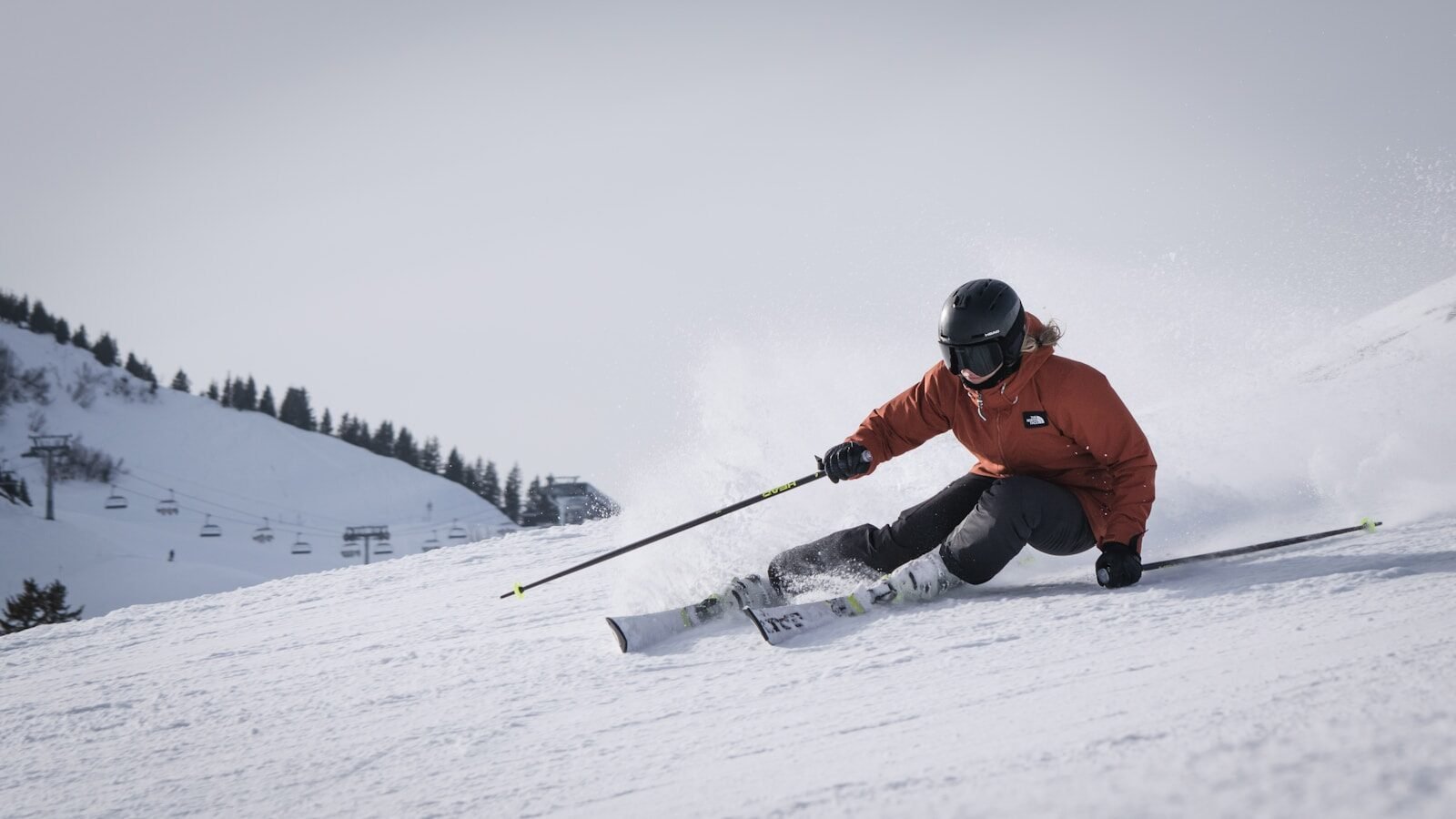
Conclusion: Match jacket tech to your terrain and climate for the best day on snow
Think of your shell as couture-level performance: tailored to conditions, built to endure, and elegant in motion. Choose GORE-TEX for relentless weatherproofing on stormy resort days and exposed ridgelines. Choose a softshell when breathability, stretch, and silence make the mountain feel effortless.
Dial your layers, mind your fit, and keep your shell cared for. The result is simple—every run feels like the best run.
FAQ
Is GORE-TEX overkill for my resort? If your mountain is wet, windy, or you ride through storms, no—GORE-TEX is a smart, durable investment. On predominantly cold-dry or bluebird days, a softshell may be more comfortable.
Can a softshell handle light snow? Yes—especially with a quality DWR and tighter weave. In sustained snowfall or wind-driven sleet, a GORE-TEX hardshell stays drier, longer.
Do I need an insulated shell? Not necessarily. A non-insulated shell plus strategic layers (base + mid) is most versatile. Choose light insulation if you run cold or ride long chairlift laps.
How should a ski jacket fit with layers? With your base and mid on, zip comfortably without pulling at the shoulders or hips. Check sleeve length during pole reach and ensure the hood fits over a helmet.
How often should I reproof my shell? When water stops beading—often once per season for casual skiers, and every 20–30 days on snow for frequent users. Clean before reproofing for best results.